 Learn More
Antiseptic Mouthwash for Swollen Gums: Best Options & Benefits
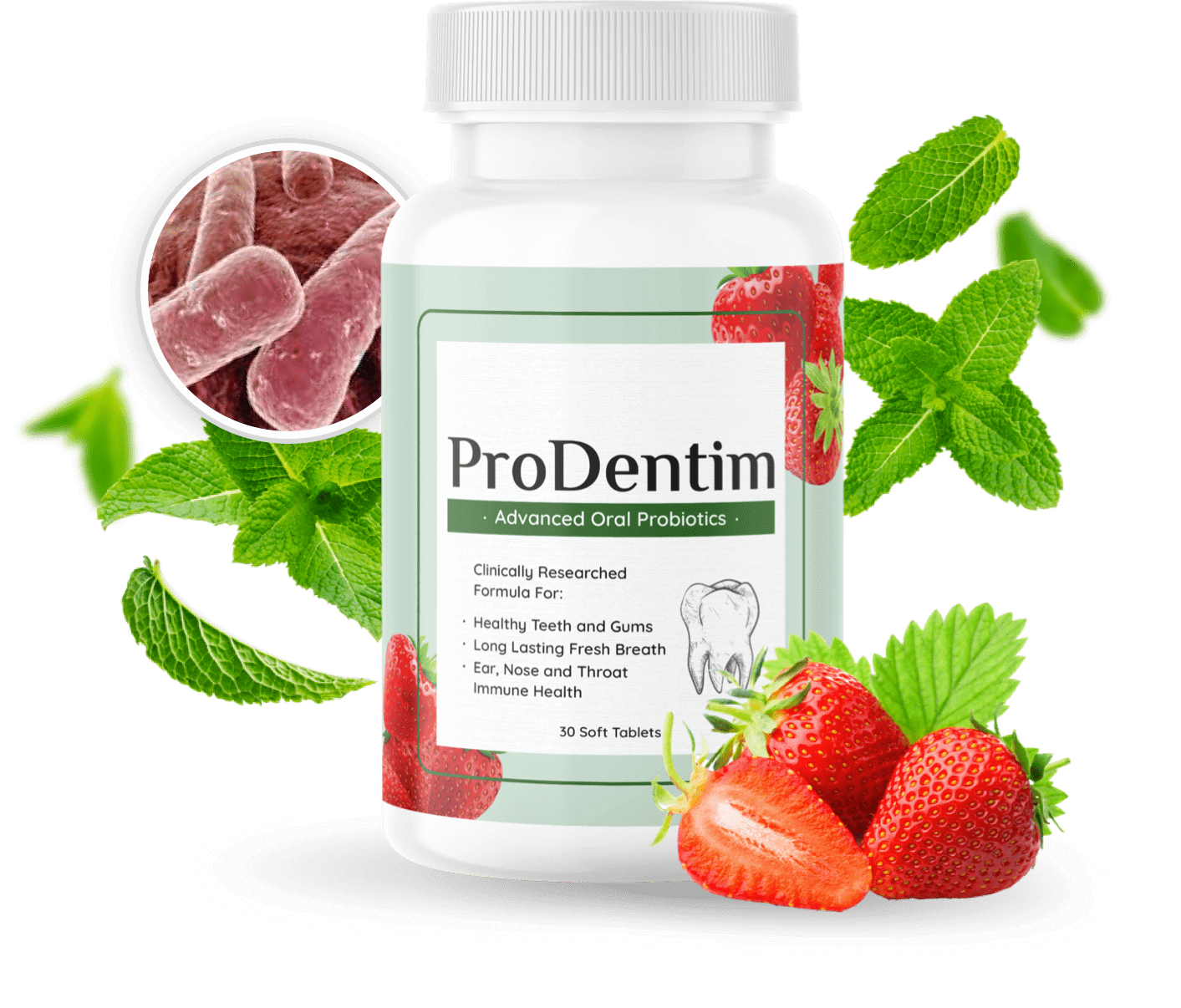
Swollen gums can be painful and uncomfortable, often indicating gingivitis or more severe gum disease. Antiseptic mouthwash for swollen gums is an effective way to reduce inflammation, kill harmful bacteria, and promote gum health. It complements brushing and flossing, especially for those experiencing early signs of gum disease.
Resumo rápido
🦷 Best for swollen gums: Look for alcohol-free mouthwashes with active ingredients like chlorhexidine or cetylpyridinium chloride.
💊 How it helps: Reduces bacteria, inflammation, and bad breath while promoting gum health.
🚫 Not a replacement: Mouthwash should not replace brushing and flossing but works best alongside these habits.
✅ Safe to use: Generally safe, but avoid excessive use to prevent dry mouth and irritation.
🏥 See a dentist: If swelling persists or worsens, consult a dentist to rule out serious gum disease.
🥇 Best Antiseptic Mouthwashes for Healthy Gums
Mouthwashes with antiseptic properties are essential for treating swollen gums. Look for options that contain active ingredients like chlorhexidine, cetylpyridinium chloride, or essential oils. These ingredients help reduce bacteria and inflammation, promoting healthier gums. Alcohol-free mouthwashes are preferable to avoid dry mouth and irritation.
The Official website offers a range of effective antiseptic mouthwashes designed to combat gum disease and improve oral health. These products are formulated with proven ingredients to help reduce swelling and prevent further oral health issues.
💡 How Antiseptic Mouthwash Helps Swollen Gums
Antiseptic mouthwash plays a crucial role in managing swollen gums. It kills bacteria that cause inflammation and plaque buildup, which are common causes of gum disease. By reducing harmful bacteria, mouthwash helps alleviate pain, swelling, and bad breath. It also promotes faster healing of gum tissue, making it an essential part of oral care routines.
🪥 Can Mouthwash Replace Brushing and Flossing?
Mouthwash is not a substitute for brushing and flossing. While it helps reduce bacteria and inflammation, it cannot remove plaque and food particles as effectively as brushing and flossing. For optimal gum health, use mouthwash in conjunction with these habits. Brushing twice a day and flossing daily helps prevent gum disease and maintains overall oral health.
⚠️ Are There Side Effects to Using Antiseptic Mouthwash?
Most antiseptic mouthwashes are safe when used as directed. However, excessive use or improper application may cause temporary side effects. Common concerns include dry mouth, tooth discoloration, or a metallic taste. Alcohol-based formulas can exacerbate irritation, especially in individuals with sensitive gums. To minimize risks:
Follow dosage instructions — typically 15-30 mL (1-2 tbsp) per rinse, once or twice daily.
Avoid swallowing — antiseptic ingredients are meant for oral use only.
Opt for alcohol-free versions — these reduce burning sensations and dryness, particularly for children or those with oral ulcers.
Monitor sensitivity — if gums become more swollen or painful, discontinue use and consult a dentist.
Persistent side effects like prolonged numbness, severe irritation, or allergic reactions (e.g., rash, swelling) warrant professional evaluation. Dentists may recommend fluoride mouthwashes or gentler alternatives if needed. Always check product labels for active ingredients like chlorhexidine, cetylpyridinium chloride, or essential oils, as these may interact with medications or existing conditions. Side effects are usually mild and reversible if usage is adjusted or discontinued.
🏥 When Should I Consult a Dentist About Swollen Gums?
Consult a dentist if swollen gums persist for more than a week or worsen. Persistent swelling, bleeding, or pain may indicate a more serious gum disease, such as gingivitis or periodontal disease. Early intervention can prevent further damage and improve gum health. Regular dental check-ups are essential for preventing and treating gum disease.
🌟 What Are the Benefits of Antiseptic Mouthwash for Gum Health?
Antiseptic mouthwash offers several benefits for gum health. It reduces bacteria, inflammation, and bad breath while promoting faster healing of gum tissue. Regular use can prevent gum disease and improve overall oral health. Additionally, alcohol-free mouthwashes are gentler and reduce the risk of dry mouth and irritation.
Key benefits include:
Bacterial reduction: Antiseptic ingredients like cetylpyridinium chloride or chlorhexidine can kill up to 99% of harmful oral bacteria, as illustrated by clinical studies on plaque control.
Inflammation relief: Active compounds help minimize swelling by targeting pathogens that trigger gum irritation.
Healing support: Mouthwashes with healing agents (e.g., aloe vera or vitamin E) may accelerate tissue repair, though effects vary by individual.
Bad breath control: Antimicrobial formulas neutralize odor-causing bacteria, offering temporary freshening.
For swollen gums, choose a mouthwash with:
FDA-approved antiseptics (e.g., chlorhexidine, hydrogen peroxide).
Soothing additives like chamomile or menthol for comfort.
Low alcohol content (under 5%) to avoid irritation.
Always follow label instructions, typically using 20 mL for 30 seconds, twice daily. Consult a dentist if swelling persists beyond 7–10 days.
🧪 What Are the Active Ingredients in Antiseptic Mouthwash?
Active ingredients in antiseptic mouthwash include chlorhexidine, cetylpyridinium chloride, and essential oils. These ingredients help kill bacteria, reduce plaque, and prevent gum disease. Look for mouthwashes that contain these active ingredients for the best results. Always check the label to ensure the product is suitable for your oral health needs.
Common Active Ingredients and Their Roles
Chlorhexidine (0.12% or 0.2%) – A potent antimicrobial that reduces bacteria associated with gingivitis. Illustrative example: Studies suggest it can reduce plaque by up to 50% with consistent use.
Cetylpyridinium Chloride (CPC, 0.05%–0.1%) – Effective against bacteria and viruses, often found in over-the-counter mouthwashes for freshening breath and reducing plaque.
Essential Oils (e.g., thymol, eucalyptol, menthol, methyl salicylate) – Common in natural or alcohol-free formulas, these oils have antibacterial and anti-inflammatory properties.
Additional Considerations
Alcohol Content: Some mouthwashes contain alcohol (e.g., 20–26%) to enhance antimicrobial action, but alcohol-free options may be gentler for sensitive gums.
Fluoride Addition: Some formulas include fluoride to strengthen enamel, offering dual benefits for gum health and cavity prevention.
Always consult a dental professional before using antiseptic mouthwash, especially if you have pre-existing conditions like dry mouth or allergies.
🏆 What Is the Best Mouthwash for Gum Disease?
The best mouthwash for gum disease should contain proven antimicrobial agents, such as chlorhexidine (0.12% concentration, commonly prescribed for severe cases) or cetylpyridinium chloride (0.075% to 0.1%), which target harmful bacteria and reduce plaque buildup. These ingredients help manage gingivitis and prevent progression to periodontitis.
For daily use, alcohol-free formulas are ideal, as alcohol can exacerbate dryness and irritation. Look for mouthwashes with sodium benzoate or cetylpyridinium chloride — both effective against bacteria without harsh side effects. Some products also include essential oils (e.g., menthol, thymol, or eucalyptol), which provide mild antiseptic benefits and freshen breath.
Illustratively, a 2019 study suggested that mouthwashes with 0.2% chlorhexidine reduced gingival bleeding by up to 40% over three months when used twice daily. However, prolonged use of chlorhexidine may stain teeth, so dentists often recommend alternating with fluoride rinse.
Always follow dosage instructions and seek professional advice, as gum disease severity varies. A dentist may prescribe a stronger formula for advanced cases.
🦷 What Causes Swollen Gums?
Swollen gums are often caused by bacteria buildup, plaque, or poor oral hygiene. Gingivitis, the early stage of gum disease, can lead to inflammation, bleeding, and swelling. Other causes include hormonal changes, vitamin deficiencies, or certain medications. Maintaining good oral hygiene and regular dental check-ups can help prevent swollen gums.
Common Causes of Swollen Gums:
Bacterial Infections – Plaque, a sticky film of bacteria, can harden into tartar if not removed, irritating gums and causing swelling. Studies suggest that 75% of adults experience some form of gum disease in their lifetime, often starting with gingivitis.
Poor Oral Hygiene – Inadequate brushing (less than twice daily) or flossing can allow food particles and bacteria to accumulate, leading to gum irritation.
Hormonal Changes – Fluctuations during puberty, pregnancy, or menopause can increase gum sensitivity, making them more prone to swelling.
Nutritional Deficiencies – Lack of vitamin C or B-complex vitamins may weaken gum tissue, while inadequate calcium can contribute to inflammation.
Medications – Certain drugs, such as blood pressure medications or immunosuppressants, may cause gum overgrowth or dry mouth, increasing the risk of swelling.
Injuries or Irritants – Rough brushing, ill-fitting dental appliances, or aggressive flossing can physically damage gums, leading to inflammation.
Preventive Measures:
Brush gently with a soft-bristled toothbrush at a 45-degree angle.
Use an antiseptic mouthwash to reduce bacteria and soothe irritated gums.
Floss daily to remove plaque between teeth.
Stay hydrated to promote saliva production, which helps rinse away food debris.
Visit a dentist every six months for professional cleanings and early detection of issues.
Early intervention can reverse gum swelling and prevent progression to more severe conditions.
❌ Can Mouthwash Cure Periodontal Disease?
Mouthwash can help manage symptoms of periodontal disease but cannot cure it. Periodontal disease, particularly in advanced stages, requires professional dental treatment, such as scaling and root planing (deep cleaning) or surgical interventions. However, antiseptic mouthwash can serve as a valuable adjunct therapy, helping reduce bacterial load and inflammation between dental visits.
Key benefits of antiseptic mouthwash for swollen gums include:
Reduced plaque buildup: Some mouthwashes contain active ingredients like chlorhexidine (up to 0.12% concentration, as seen in prescription formulas) or essential oils, which can reduce plaque formation by 30–50% over short-term use, per clinical studies.
Inflammation control: Antiseptic rinses may temporarily alleviate gum swelling by targeting harmful bacteria, though effects are temporary.
Post-treatment support: Dentists often recommend mouthwash after procedures like deep cleanings to maintain oral hygiene and prevent reinfection.
Important considerations:
Not a standalone cure: Over-the-counter mouthwash cannot reverse bone or tissue loss caused by advanced periodontal disease.
Consult a dentist first: Some mouthwashes may contain alcohol, which could irritate sensitive gums, or ingredients that interfere with medications.
Always consult your dentist for a proper diagnosis and treatment plan tailored to your condition.
🚿 How to Use Antiseptic Mouthwash Effectively
Use antiseptic mouthwash as directed on the label for the best results. Typically, you should swish the mouthwash for 30 seconds to 1 minute and then spit it out. Use it once or twice daily, preferably after brushing and flossing. Avoid eating or drinking for at least 30 minutes after using mouthwash to allow the active ingredients to work effectively.
⏰ What Is the Best Time to Use Mouthwash?
The best time to use mouthwash is after brushing and flossing, ideally in the morning and before bed. This routine helps remove any remaining bacteria and food particles, promoting fresher breath and healthier gums. Using mouthwash at these times ensures maximum effectiveness and supports overall oral health.
For optimal results, consider the following guidelines:
Morning use: Rinsing with antiseptic mouthwash in the morning helps reduce bacterial buildup that accumulates overnight, especially if you experience dry mouth during sleep. This step can be particularly beneficial for swollen gums, as it targets early-stage inflammation.
Evening use: Using mouthwash before bed prevents bacteria from multiplying overnight, which is crucial for gum health. Studies suggest that nighttime oral care is 30% more effective at reducing bacterial growth than morning-only routines—though this is illustrative, not a guarantee.
Post-meal rinse (optional): If you consume sugary or acidic foods, a quick water rinse followed by mouthwash can help neutralize acids and protect gums, though it shouldn’t replace brushing.
Avoid eating or drinking for 30 minutes after using mouthwash to allow the antiseptic properties to work effectively. This practice ensures the active ingredients, such as chlorhexidine or essential oils, remain in contact with gum tissue longer. Consistency is key—incorporating mouthwash into your daily routine alongside brushing and flossing maximizes its benefits for swollen gums.
🌿 Are There Natural Alternatives to Antiseptic Mouthwash?
Natural alternatives to antiseptic mouthwash can provide temporary relief for swollen gums by reducing bacteria and inflammation. Common options include:
Salt water rinses: A simple 1:1 ratio of salt to warm water (e.g., ½ teaspoon of salt in 1 cup of water) can help disinfect the mouth and soothe irritation. Studies suggest saltwater rinses may reduce bacterial counts by up to 50% in some cases (illustrative example).
Baking soda mixtures: Baking soda’s mild abrasive and alkaline properties can neutralize acids and bacteria. A common recipe involves mixing 1 teaspoon of baking soda with ½ cup of warm water.
Essential oils: Diluted oils like tea tree, peppermint, or clove oil have antimicrobial properties. For example, 2–3 drops of tea tree oil in 1 cup of water can be used as a rinse (always dilute to avoid irritation).
While these remedies may offer short-term benefits, they lack the standardized active ingredients (e.g., chlorhexidine or cetylpyridinium chloride) found in commercial mouthwashes, which are clinically proven for gum health. Always consult a dentist before replacing prescribed treatments. Natural alternatives should complement, not replace, professional dental care.
🌱 How to Prevent Gum Disease Naturally
Prevent gum disease naturally by maintaining good oral hygiene. Brush your teeth twice a day, floss daily, and use antiseptic mouthwash to reduce bacteria and plaque. Eat a balanced diet rich in vitamins and minerals, and stay hydrated to support gum health. Regular dental check-ups are essential for early detection and prevention of gum disease.
🤔 Frequently Asked Questions
What are the best antiseptic mouthwashes for swollen gums?
The best antiseptic mouthwashes for swollen gums contain active ingredients like chlorhexidine or cetylpyridinium chloride. Look for alcohol-free options to avoid dry mouth and irritation. Always consult your dentist for personalized recommendations.
How does antiseptic mouthwash help swollen gums?
Antiseptic mouthwash helps swollen gums by killing bacteria that cause inflammation and plaque buildup. It reduces pain, swelling, and bad breath while promoting faster healing of gum tissue. Regular use can prevent gum disease and improve overall oral health.
Can mouthwash replace brushing and flossing?
Mouthwash is not a substitute for brushing and flossing. While it helps reduce bacteria and inflammation, it cannot remove plaque and food particles as effectively. For optimal gum health, use mouthwash in conjunction with brushing and flossing.
Are there side effects to using antiseptic mouthwash?
Most antiseptic mouthwashes are safe when used as directed. However, excessive use can lead to dry mouth, tooth discoloration, or altered taste. Alcohol-free mouthwashes are gentler and reduce the risk of irritation. If you experience persistent side effects, consult your dentist.
When should I consult a dentist about swollen gums?
Consult a dentist if swollen gums persist for more than a week or worsen. Persistent swelling, bleeding, or pain may indicate a more serious gum disease. Early intervention can prevent further damage and improve gum health. Regular dental check-ups are essential for preventing and treating gum disease.
🏁 Conclusion
Antiseptic mouthwash for swollen gums is an effective way to reduce inflammation, kill harmful bacteria, and promote gum health. It complements brushing and flossing, especially for those experiencing early signs of gum disease. Look for alcohol-free options containing active ingredients like chlorhexidine or cetylpyridinium chloride. If you're unsure about which mouthwash to choose, the Official website offers a range of effective products designed to combat gum disease and improve oral health. Always consult your dentist for personalized recommendations and regular check-ups to maintain optimal gum health.