 Official Website
Oral Probiotic Supplements: Benefits, Types, How They Work & All About Dental Health — Now Try Them
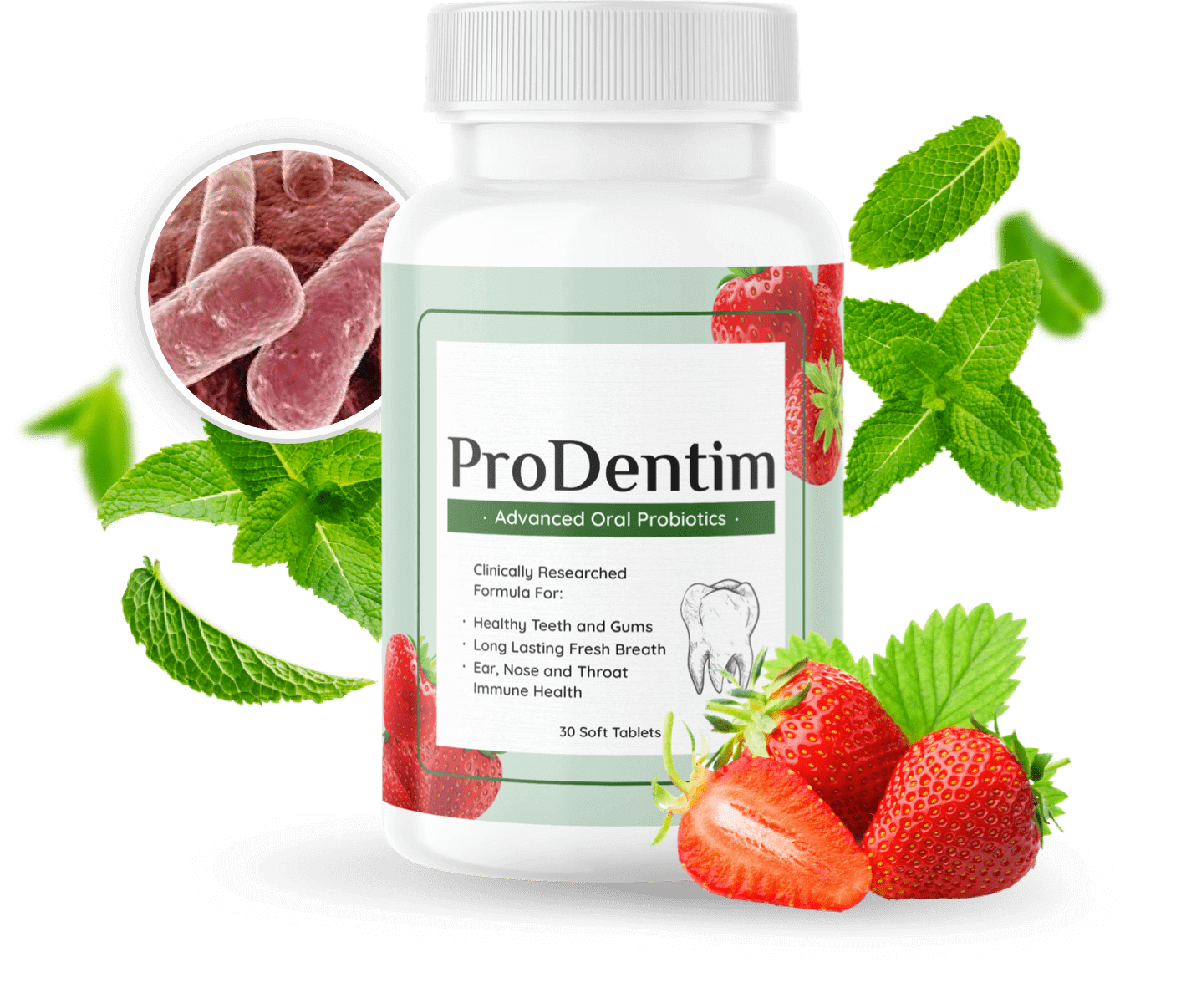
Oral probiotic supplements are gaining popularity for their potential to improve oral health and overall well-being. These supplements contain live beneficial bacteria that help maintain a healthy balance in the mouth and gut. They can support dental health, reduce bad breath, and even enhance the immune system. Understanding how they work and which products are most effective can help you make an informed decision about incorporating them into your routine.
Quick summary
🦠 Oral probiotic supplements contain live bacteria that support oral and gut health.
💊 They are available in various forms, including capsules, lozenges, and powders.
🌱 Common strains include Lactobacillus and Bifidobacterium, which help balance the microbiome.
🌟 Benefits include reducing bad breath, preventing gum disease, and improving digestion.
⚠️ While generally safe, some people may experience mild side effects like bloating or gas.
What Are Probiotics?
Probiotics are live microorganisms that provide health benefits when consumed in adequate amounts. These beneficial bacteria are found naturally in the body, particularly in the gut and mouth. They help maintain a balanced microbiome, which is crucial for overall health. Probiotics can be found in foods like yogurt, kefir, and sauerkraut, as well as in dietary supplements.
Probiotics work by supporting the body's natural microbial communities, often through strains like Lactobacillus and Bifidobacterium. For example, Lactobacillus strains may help with oral health by reducing harmful bacteria in the mouth, while Bifidobacterium strains are commonly associated with gut health. Research suggests that certain probiotics can improve digestion, strengthen immune function, and even enhance mood, though effects vary by strain and individual.
When choosing probiotic supplements, key factors include colony-forming units (CFUs), which measure the number of live bacteria per dose (illustratively, supplements may range from 1 billion to 100 billion CFUs). Look for strains with documented benefits and products stored in cool, dark conditions to preserve potency. Fermented foods also offer natural probiotic sources, with yogurt containing up to 100 million CFUs per serving, depending on the brand.
Regular intake of probiotics may support long-term health, but consistency is key, as benefits often require sustained consumption. Always consult a healthcare provider before starting a new supplement regimen.
What Do Probiotics Do?
Probiotics help maintain a healthy balance of bacteria in the body. They support digestion, boost the immune system, and can even improve mental health. In the mouth, probiotics help reduce harmful bacteria that cause bad breath, cavities, and gum disease. By promoting a balanced microbiome, probiotics contribute to overall well-being and help prevent various health issues.
Oral probiotics specifically target the mouth’s microbiome, which contains over 700 species of bacteria. These supplements often contain strains like Lactobacillus reuteri or Streptococcus salivarius, known for their ability to inhibit pathogenic bacteria. For instance, L. reuteri may help reduce plaque formation, while S. salivarius can lower the risk of strep throat by up to 90% in some cases (illustrative example).
Choosing the right probiotic involves considering factors like colony-forming units (CFUs) — ideally 1 billion or more per dose — and specific strains proven for oral health. Daily intake, such as lozenges or chewables, ensures prolonged contact with oral tissues. Additionally, probiotics may complement good oral hygiene practices, like brushing twice daily and flossing, to enhance their benefits. Consistent use, combined with a balanced diet, supports long-term oral microbiome health.
When Are Probiotics Recommended?
Probiotics are recommended for individuals looking to improve their oral health, digestion, and immune function. They are particularly beneficial for those suffering from conditions like halitosis, gum disease, or digestive disorders. Probiotics can also be useful for people taking antibiotics, as these medications can disrupt the natural balance of bacteria in the body. Consulting with a healthcare provider can help determine if probiotic supplements are appropriate for your specific needs.
Which Probiotics Are Effective?
Effective probiotics contain specific strains of bacteria that have been shown to provide health benefits. Common strains include Lactobacillus and Bifidobacterium, which are known for their ability to support oral and gut health. When choosing a probiotic supplement, look for products that contain these strains and have a high colony-forming unit (CFU) count. Additionally, consider the form of the supplement, as some may be more suitable for oral health than others.
Prodentim
Prodentim is a popular oral probiotic supplement designed to support dental health. It contains a blend of beneficial bacteria that help reduce bad breath, prevent cavities, and promote healthy gums. Prodentim is available in the form of chewable tablets, making it easy to incorporate into your daily routine. While it is generally well-tolerated, some users may experience mild side effects like bloating or gas. It's important to consult with a healthcare provider before starting any new supplement regimen.
Oral Probiotic Supplements
Oral probiotics are specifically formulated to support the health of the mouth and throat. These supplements contain strains of bacteria that help reduce harmful microorganisms responsible for bad breath, cavities, and gum disease. Regular use of oral probiotics can promote a balanced microbiome in the mouth, leading to improved oral health and overall well-being.
Key benefits of oral probiotics include:
Reducing cavity-causing bacteria (e.g., Streptococcus mutans) by up to 50% in some studies — illustrative example.
Fighting bad breath by lowering levels of volatile sulfur compounds produced by anaerobic bacteria.
Supporting gum health by inhibiting inflammation and bacterial overgrowth linked to gingivitis.
Common probiotic strains for oral health include Lactobacillus reuteri, Lactobacillus paracasei, and Streptococcus salivarius K12. These strains are often found in chewable tablets, lozenges, or powders. For best results, follow the dosage instructions on the product label and consult a dentist or healthcare provider, especially if you have existing oral conditions. Oral probiotics should complement — not replace — regular brushing, flossing, and professional dental care.
Mouth Probiotics
Mouth probiotics are another term for oral probiotics, focusing on maintaining a healthy balance of bacteria in the mouth. These supplements can help prevent oral infections, reduce inflammation, and improve overall dental health. By supporting the natural defenses of the mouth, mouth probiotics contribute to a healthier smile and better breath.
Common strains found in oral probiotics include Lactobacillus reuteri and Streptococcus salivarius, which have been studied for their potential benefits in reducing plaque formation and gum disease. For example, L. reuteri is often included in supplements due to its ability to inhibit harmful bacteria like Streptococcus mutans, a key contributor to tooth decay. Similarly, S. salivarius can help maintain a balanced oral microbiome, which is essential for preventing conditions like halitosis (bad breath) and gingivitis.
When choosing a mouth probiotic, look for products with clinically tested strains and a clear CFU (colony-forming units) count, typically ranging from 1 billion to 10 billion per serving. Some supplements are available in lozenge or chewing gum form, which may enhance delivery to the oral cavity. It’s also important to store probiotics properly—refrigeration is recommended for many products to preserve potency.
While mouth probiotics can support oral health, they should complement—not replace—good oral hygiene practices like brushing, flossing, and regular dental check-ups. Always consult a healthcare provider before starting any new supplement, especially if you have underlying health conditions or are taking medications.
Probiotics in Mouth
Probiotics in the mouth play a crucial role in maintaining oral health. They help combat harmful bacteria that can cause cavities, gum disease, and bad breath. By promoting a balanced microbiome, probiotics support the natural defenses of the mouth and contribute to overall well-being. Incorporating probiotic supplements or foods into your routine can help enhance the benefits of these beneficial bacteria.
Probiotics for Bad Breath
Probiotics for bad breath help reduce the harmful bacteria responsible for halitosis. These supplements contain strains of bacteria that promote a balanced microbiome in the mouth, leading to fresher breath and improved oral health. Regular use of probiotics can help prevent bad breath and support overall dental well-being.
Key strains for oral health include Lactobacillus and Streptococcus salivarius, which compete with odor-causing bacteria like Fusobacterium and Porphyromonas gingivalis. Some probiotic supplements specifically target these strains, such as L. reuteri (illustratively shown in studies to reduce volatile sulfur compounds by up to 40% in some cases) or S. salivarius K12, known for its antiseptic properties.
Practical tips for use:
Choose supplements with CFUs (colony-forming units) between 1–10 billion for optimal effectiveness.
Look for chewable tablets or lozenges to maximize contact with oral bacteria.
Combine with good hygiene (brushing, flossing) for best results.
Consult a dentist if bad breath persists, as it may indicate underlying conditions.
Probiotics alone may not eliminate halitosis, but they can be a helpful addition to oral care routines.
Oral Probiotics for Bad Breath
Oral probiotics for bad breath are specifically formulated to target the bacteria that cause halitosis. These supplements contain beneficial strains that help maintain a healthy balance in the mouth, reducing the occurrence of bad breath. Incorporating oral probiotics into your daily routine can lead to fresher breath and improved oral health.
Common probiotic strains used in these supplements include Lactobacillus reuteri and Streptococcus salivarius, which compete with harmful bacteria like Porphyromonas gingivalis and Fusobacterium nucleatum. For example, L. reuteri has been studied for its ability to reduce volatile sulfur compounds (VSCs), the primary cause of bad breath. While results vary, some clinical trials suggest a 50% reduction in VSC levels after consistent use — though such figures are illustrative and depend on individual factors.
When choosing an oral probiotic, look for products with high colony-forming units (CFUs), typically between 1 billion and 10 billion per serving, to ensure efficacy. Chewable tablets or lozenges may be more effective than capsules, as they allow direct contact with oral surfaces. Additionally, pairing probiotics with good oral hygiene — such as brushing twice daily and flossing — enhances their benefits.
For best results, consistency is key. Most studies recommend daily use for at least 4–6 weeks to observe noticeable improvements in breath freshness. Always consult a healthcare provider before starting any new supplement, especially if you have underlying health conditions.
Probiotics for Halitosis
Probiotics for halitosis are designed to combat the bacteria that cause persistent bad breath. These supplements contain strains of bacteria that promote a balanced microbiome in the mouth, helping to reduce the occurrence of halitosis. Regular use of probiotics can support oral health and contribute to fresher breath.
Key Strains and Mechanisms:
Certain probiotic strains, like Lactobacillus reuteri and Streptococcus salivarius, have been studied for their ability to inhibit odor-causing bacteria (e.g., Fusobacterium and Prevotella). These beneficial bacteria compete with harmful microbes, reducing volatile sulfur compounds (VSCs) — the primary cause of halitosis. Illustratively, a 2017 study found a 50% reduction in VSCs in participants using specific probiotic strains over 12 weeks.
Practical Considerations:
Dosage: Typical probiotic supplements for oral health contain 1–10 billion colony-forming units (CFUs) per dose.
Forms: Available as chewable tablets, lozenges, or dissolvable powders, which facilitate direct contact with oral bacteria.
Timing: Using probiotics after meals may enhance their effectiveness by targeting food residues that feed harmful bacteria.
Additional Tips: Maintain good oral hygiene (brushing, flossing) to maximize probiotic benefits. Staying hydrated and reducing sugary foods can further support a healthy oral microbiome. While probiotics offer a promising adjunct to halitosis management, they should complement—not replace—standard dental care.
What’s the Best Way to Take Probiotics?
The best way to take probiotics is to choose a high-quality supplement and follow the recommended dosage. Probiotics are available in various forms, including capsules, lozenges, and powders. It's important to take them consistently and store them properly to ensure their effectiveness. Consulting with a healthcare provider can help determine the most suitable form and dosage for your specific needs.
What Are Oral Probiotic Supplements?
Oral probiotics are dietary supplements containing beneficial bacteria that support oral health. These probiotics help maintain a balanced microbiome in the mouth, reducing the risk of cavities, gum disease, and bad breath. By promoting a healthy environment in the mouth, oral probiotics contribute to overall dental well-being.
Common strains found in oral probiotics include Lactobacillus and Streptococcus salivarius, which are known for their role in inhibiting harmful bacteria. For instance, Lactobacillus reuteri may help reduce plaque formation, while Streptococcus salivarius K12 is often associated with fighting oral pathogens linked to infections. Oral probiotics can be taken as capsules, lozenges, or chewable tablets, with some products designed for specific conditions like halitosis or gingivitis.
When choosing an oral probiotic, consider factors like strain specificity, colony-forming units (CFUs) — typically ranging from 1 billion to 10 billion per dose in supplements — and compatibility with dietary restrictions. For best results, pair probiotic intake with good oral hygiene practices, such as brushing twice daily and flossing. Additionally, some studies suggest that probiotics may complement traditional oral care, though they are not a replacement for regular dental check-ups. The effectiveness of oral probiotics can vary based on individual oral health conditions and lifestyle habits.
What Are the Potential Health Benefits of Probiotics?
The potential health benefits of probiotics include improved digestion, enhanced immune function, and better oral health. Probiotics help maintain a balanced microbiome in the gut and mouth, supporting overall well-being. They can also reduce the risk of infections, allergies, and inflammatory conditions. Regular use of probiotics can contribute to a healthier body and mind.
Are There Any Risks or Side Effects to Taking Probiotics?
While generally safe, probiotics can cause mild side effects in some individuals. These may include bloating, gas, and stomach discomfort. Serious side effects are rare but can occur in people with weakened immune systems or underlying health conditions. It's important to consult with a healthcare provider before starting any new supplement regimen, especially if you have specific health concerns.
How Can I Tell if Probiotics Are Working for Me?
You can tell if probiotics are working by monitoring changes in your digestion, oral health, and overall well-being. Improved digestion, reduced bad breath, and healthier gums are common signs that probiotics are having a positive effect. Keeping a journal of your symptoms and consulting with a healthcare provider can help determine the effectiveness of probiotic supplements.
Can Probiotics Cause Diarrhea, Constipation or Stomach Pain?
Probiotics can sometimes cause mild digestive issues like diarrhea, constipation, or stomach pain. These side effects are usually temporary and subside as your body adjusts to the supplement. If you experience persistent or severe symptoms, it's important to consult with a healthcare provider. Choosing a high-quality probiotic supplement and following the recommended dosage can help minimize the risk of side effects.
Frequently Asked Questions About Oral Probiotic Supplements
What are probiotics?
Probiotics are live microorganisms that provide health benefits when consumed in adequate amounts. They help maintain a balanced microbiome in the gut and mouth, supporting overall well-being. Common strains include Lactobacillus and Bifidobacterium, which are known for their beneficial effects on digestion and immune function.
What do probiotics do?
Probiotics help maintain a healthy balance of bacteria in the body. They support digestion, boost the immune system, and can even improve mental health. In the mouth, probiotics help reduce harmful bacteria that cause bad breath, cavities, and gum disease. By promoting a balanced microbiome, probiotics contribute to overall health and well-being.
When are probiotics recommended?
Probiotics are recommended for individuals looking to improve their oral health, digestion, and immune function. They are particularly beneficial for those suffering from conditions like halitosis, gum disease, or digestive disorders. Probiotics can also be useful for people taking antibiotics, as these medications can disrupt the natural balance of bacteria in the body.
Which probiotics are effective?
Effective probiotics contain specific strains of bacteria that have been shown to provide health benefits. Common strains include Lactobacillus and Bifidobacterium, which are known for their ability to support oral and gut health. When choosing a probiotic supplement, look for products that contain these strains and have a high colony-forming unit (CFU) count.
Conclusion
Oral probiotic supplements offer a natural way to support oral health and overall well-being. By incorporating these beneficial bacteria into your routine, you can promote a balanced microbiome, reduce bad breath, and prevent gum disease. If you're considering trying oral probiotic supplements, be sure to choose a high-quality product and consult with a healthcare provider to ensure it's the right choice for you.
Explore our recommended oral probiotic supplements to get started on your journey to better oral health! Oral probiotic supplements.